Executive Summary
In today’s data-driven world, organizations are drowning in information but often starving for insights. This article delves into the transformative power of big data analytics, exploring how businesses can unlock hidden value within their vast datasets. We will examine key subtopics, providing practical strategies for leveraging big data to improve decision-making, optimize operations, and gain a competitive edge. By understanding the fundamentals and applying the techniques outlined here, organizations can successfully navigate the complexities of big data and harness its potential for growth and innovation. This is not just about collecting data; it’s about transforming data into actionable intelligence.
“Big Data Insights: Discover Hidden Value” is not just a catchy phrase; it is a strategic imperative. As companies drown in petabytes of information, the winners of the next decade will be those who can cut through the noise to find the hidden signals—the insights that drive innovation, efficiency, and customer loyalty. This article explores how organizations can transition from data hoarding to value discovery, transforming raw numbers into a competitive advantage.
Introduction
The sheer volume, velocity, and variety of data generated today present both unprecedented challenges and opportunities. Big data analytics offers a powerful solution, enabling organizations to extract meaningful insights from complex datasets and leverage them for strategic advantage. This article explores the core concepts of big data analytics, providing a practical guide to unlock its hidden value and drive tangible business outcomes. We will explore how to effectively collect, process, analyze, and interpret data to make informed decisions and achieve sustainable growth.
Frequently Asked Questions (FAQ)
What is big data? Big data refers to extremely large and complex datasets that traditional data processing applications are unable to handle. It encompasses structured, semi-structured, and unstructured data from various sources.
Why is big data important for businesses? Big data analytics enables businesses to gain a deeper understanding of customer behavior, market trends, operational efficiencies, and risks. This understanding allows for better decision-making, improved customer experiences, enhanced products and services, and ultimately, increased profitability.
What are the challenges of implementing big data analytics? Implementing big data analytics can be challenging due to the high costs of infrastructure, the need for specialized skills, data security concerns, and the complexity of data integration and analysis.
The Three Pillars of Hidden Value
To systematically uncover value, organizations must focus on three core areas: Operational Efficiency, Customer Experience, and Product Innovation.
- Operational Efficiency: The Art of the Invisible
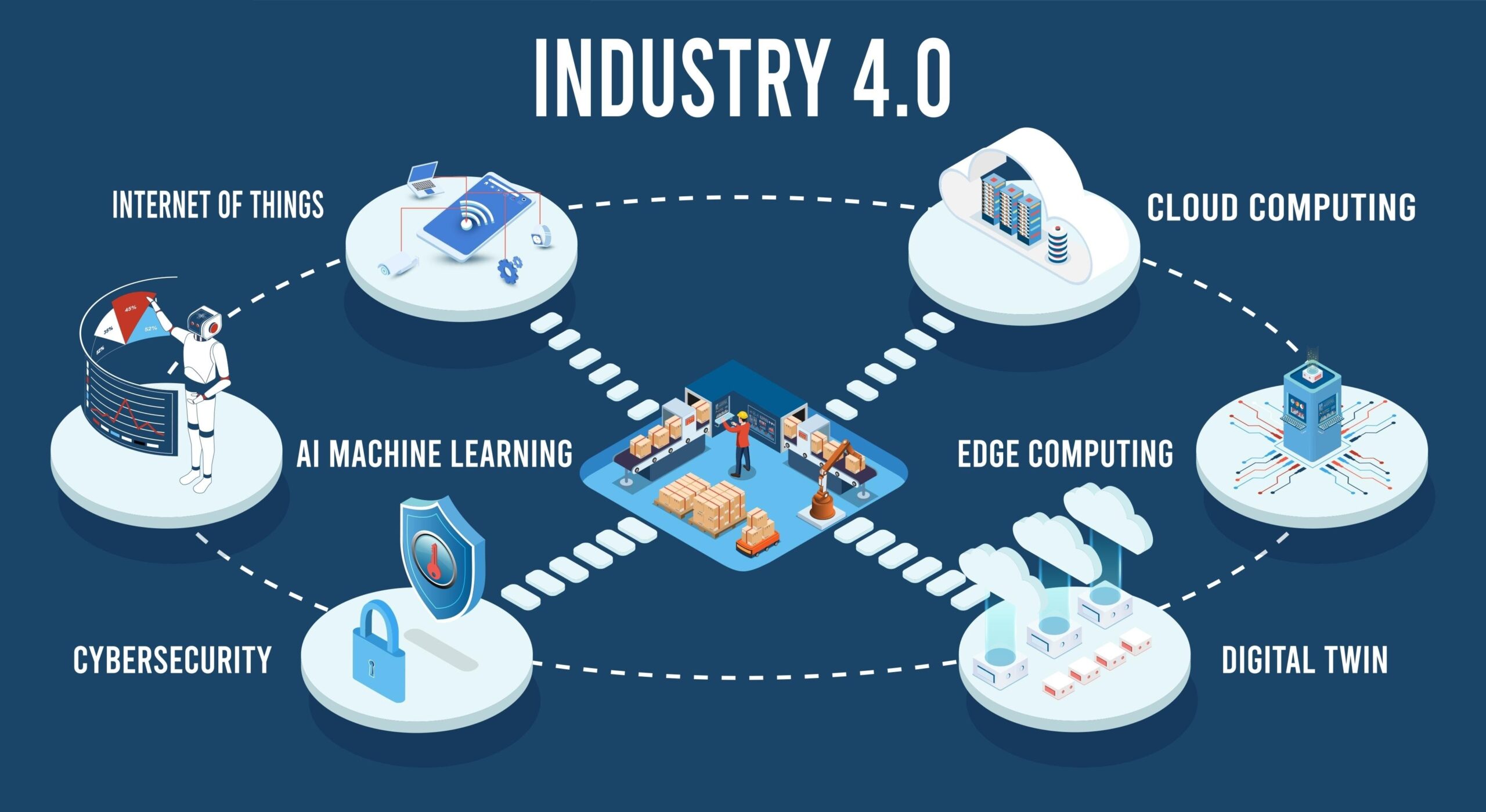
Operational data is often the most unglamorous but financially rewarding area for big data analytics. This is where the concept of the “Digital Twin” comes into play.
Shutterstock
By creating a virtual replica of a physical system—be it a jet engine, a factory floor, or a logistics network—companies can run simulations using real-time big data.
- Predictive Maintenance: Instead of servicing a machine every six months (preventive maintenance), sensors can detect microscopic vibrations or heat changes that indicate a part is about to fail. This “just-in-time” maintenance saves millions in downtime and unnecessary repairs.
- Logistics Optimization: UPS famously used big data to redesign delivery routes to minimize left-hand turns. This seemingly trivial insight saved millions of gallons of fuel and reduced delivery times, proving that hidden value often lies in the mundane details of execution.
- Customer Experience: Beyond Demographics
Traditional marketing relies on demographics: “Male, 35-45, lives in Chicago.” Big data allows us to move to psychographics and behavioral intent.
Netflix is the prime example of this. They don’t just know what you watched; they know you paused House of Cards to make tea, that you binge-watch comedies on Friday nights but watch documentaries on Sunday mornings, and that you respond better to thumbnails featuring villains than heroes.
This granularity allows for “Hyper-Personalization.” The hidden value here is the ability to predict what a customer wants before they know it themselves. When a bank uses transaction data to see that a customer has started spending money at baby stores, they can offer a savings plan for college before the competitor even knows the customer is expecting a child.
- Product Innovation: The Feedback Loop
Big data creates a continuous feedback loop that fuels innovation. In the software world, A/B testing is standard, but big data takes it further. By analyzing how users interact with a product in real-time, companies can discover “unintended use cases.”
Slack, the collaboration tool, started as an internal communication system for a gaming company. The “hidden value” was that the chat tool was better than the game they were building. Data analysis revealed that the team was addicted to the chat function. Recognizing this pivot turned a failed gaming startup into a multi-billion dollar enterprise software giant.
Data Mining and Predictive Modeling
Data mining is the process of discovering patterns and insights from large datasets. Predictive modeling uses these patterns to forecast future outcomes. This combination is crucial for proactive decision-making.
Pattern Recognition: Identifying recurring trends and relationships within the data. For instance, recognizing buying patterns to predict future sales.
Classification: Categorizing data points into predefined groups. This is useful for customer segmentation or risk assessment.
Regression Analysis: Predicting a continuous outcome based on predictor variables. This is used for forecasting sales or predicting customer churn.
Clustering: Grouping similar data points together without pre-defined categories. Useful for identifying customer segments or market niches.
Association Rule Mining: Discovering relationships between items or events. This is useful for recommendation systems or market basket analysis.
Anomaly Detection: Identifying unusual or unexpected data points that deviate from the norm. This can help detect fraud or system failures.
Real-Time Data Analytics and Stream Processing
Real-time data analytics involves processing and analyzing data as it is generated, allowing for immediate responses and informed decisions. Stream processing is a crucial technology that enables this.
Real-time dashboards: Providing up-to-the-minute visualizations of key performance indicators (KPIs). This allows for quick identification of problems and opportunities.
Event Stream Processing: Analyzing event data as it occurs, such as website clicks or transactions. This enables proactive responses to changing conditions.
Complex Event Processing (CEP): Detecting complex patterns and correlations within event streams. Useful for fraud detection or risk management.
Sentiment Analysis: Analyzing text data to gauge public opinion or customer sentiment. This provides valuable feedback for product development and marketing campaigns.
Social Media Monitoring: Tracking social media mentions to understand brand perception and customer feedback.
Predictive Maintenance: Using sensor data to predict equipment failures and schedule maintenance proactively.
Business Intelligence and Data Visualization
Business intelligence (BI) transforms raw data into actionable insights that support strategic decision-making. Data visualization is crucial for presenting these insights in a clear and understandable manner.
Data Warehousing: Creating a central repository for storing and managing data from various sources. This ensures data consistency and accessibility.
Online Analytical Processing (OLAP): Performing multi-dimensional analysis of data to identify trends and patterns. This is crucial for understanding business performance.
Interactive Dashboards: Presenting key performance indicators (KPIs) in an interactive and user-friendly format. This helps stakeholders quickly understand the business situation.
Data Storytelling: Communicating insights in a compelling narrative that resonates with stakeholders. This is essential for driving action and change.
Report Generation: Creating automated reports that track key metrics and provide regular updates on business performance. This ensures consistent monitoring of progress.
Data Discovery Tools: Providing self-service tools that allow users to explore and analyze data independently. This empowers stakeholders to make data-driven decisions.
Cloud Computing and Big Data Infrastructure
Cloud computing provides the scalable and cost-effective infrastructure needed to handle big data processing. Choosing the right cloud platform is a crucial step in implementing a successful big data strategy.
Scalability and Elasticity: Easily scaling resources up or down based on demand. This allows for efficient management of computing resources.
Cost-Effectiveness: Paying only for the resources consumed, reducing upfront investment costs. This makes big data analytics more accessible to smaller organizations.
Data Security and Compliance: Ensuring data security and compliance with relevant regulations. This is essential for protecting sensitive information.
Data Storage and Management: Utilizing cloud storage solutions for efficient data management. This simplifies data access and retrieval.
Data Integration and Processing: Using cloud-based tools to integrate and process data from various sources. This streamlines the data processing workflow.
Machine Learning Services: Leveraging cloud-based machine learning services to build predictive models. This simplifies the development and deployment of machine learning applications.
Big Data Security and Governance
With the increasing reliance on big data, security and governance become paramount. Implementing robust security measures and ethical guidelines is crucial for protecting sensitive information and maintaining trust.
Data Encryption: Protecting data in transit and at rest using encryption techniques. This prevents unauthorized access to sensitive data.
Access Control: Implementing strict access control measures to limit data access to authorized personnel only. This safeguards data confidentiality.
Data Loss Prevention (DLP): Implementing measures to prevent data loss or unauthorized data exfiltration. This safeguards business critical information.
Compliance and Regulations: Adhering to relevant data privacy regulations and industry standards. This ensures ethical data handling.
Data Governance Framework: Establishing a formal framework for managing data throughout its lifecycle. This ensures consistent data quality and integrity.
- Regular Security Audits: Conducting regular security audits to identify vulnerabilities and ensure compliance. This helps prevent security breaches.
Conclusion
We are standing on the precipice of a new era. The low-hanging fruit of big data—simple reporting and dashboards—has been picked. The next phase is about depth. It is about using Deep Learning to find patterns too complex for the human brain to perceive. It is about using Edge Computing to process data on the device, finding value in milliseconds rather than hours.
The “Hidden Value” in big data is not just about higher profits. It is about better healthcare outcomes through predictive diagnostics. It is about smarter cities that reduce energy consumption. It is about personalized education that adapts to the learning style of the student.
Big data analytics is no longer a luxury but a necessity for businesses seeking to thrive in today’s competitive landscape. By strategically implementing the techniques and technologies outlined in this article, organizations can unlock the hidden value within their data, driving informed decision-making, enhancing operational efficiency, and fostering innovation. The journey requires a commitment to data-driven decision making, a robust infrastructure, and a skilled workforce. However, the rewards—in terms of competitive advantage, improved profitability, and enhanced customer experiences—are substantial and well worth the investment. The future belongs to those who can effectively harness the power of big data.
big data, data analytics, predictive modeling, business intelligence, data visualization